Introduction:
The implementation of the unilateral 10% tariff on imports by the Trump administration has initiated significant impacts on the global market. American customs officials have commenced the collection of the new tariffs, following a tumultuous week for the US stock market.
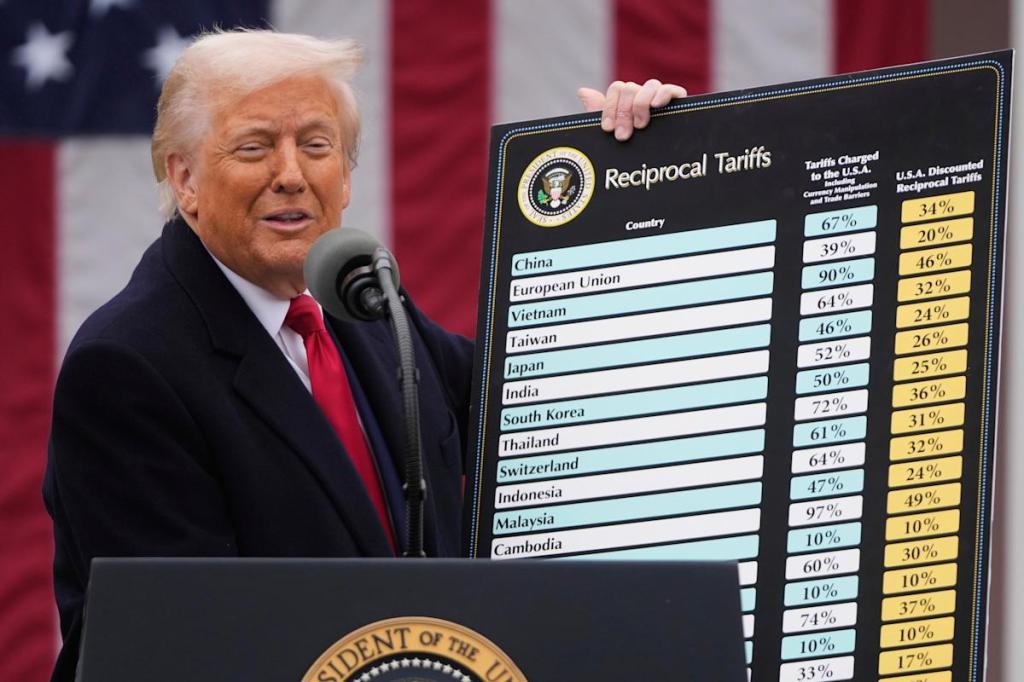
On Saturday morning, American customs officials initiated the collection of a new 10% tariff on imports from various countries. This development comes on the heels of a turbulent week for the US stock market, which experienced its most significant downturn since 2020. President Trump’s tariff policy has been a focal point of discussion and concern, with implications for both domestic and international trade.
The tariffs, implemented unilaterally by the Trump administration, are set to have far-reaching consequences across industries and economies. The move has sparked debates on the potential impacts on consumer prices, supply chains, and global trade dynamics. As the collection of the tariffs commences, stakeholders from various sectors are closely monitoring the situation for further developments and implications.
President Trump’s tariff policy has been met with a mix of support and criticism, with proponents citing the need to protect domestic industries and jobs, while opponents warn of potential negative repercussions on economic growth and international relations. The implementation of the 10% tariff on imports marks a significant escalation in the ongoing trade disputes and negotiations between the US and its trading partners.
The decision to impose tariffs on imports has already had reverberations in the financial markets, with the US stock market experiencing notable volatility in response to the policy announcement. Investors and analysts are closely observing the unfolding developments and their potential implications on market stability and investor confidence.
The collection of the new tariffs by American customs officials signals a concrete step in the enforcement of President Trump’s trade policy agenda. The unilateral nature of the tariffs has raised concerns about potential retaliatory measures from affected countries, further complicating the global trade landscape.
As the tariff policy takes effect, businesses and consumers are bracing for potential changes in prices and availability of imported goods. The impact of the tariffs on various sectors of the economy remains a topic of intense scrutiny and debate, with stakeholders assessing the short-term and long-term implications of the policy shift.
In conclusion, the implementation of the 10% tariff on imports by the Trump administration represents a significant development in the realm of trade policy. The implications of this decision are reverberating across global markets, prompting discussions on the future of international trade relations and economic stability. Stakeholders are closely monitoring the evolving situation, preparing for potential shifts in supply chains, consumer prices, and overall market dynamics.




 Silicon valley business review