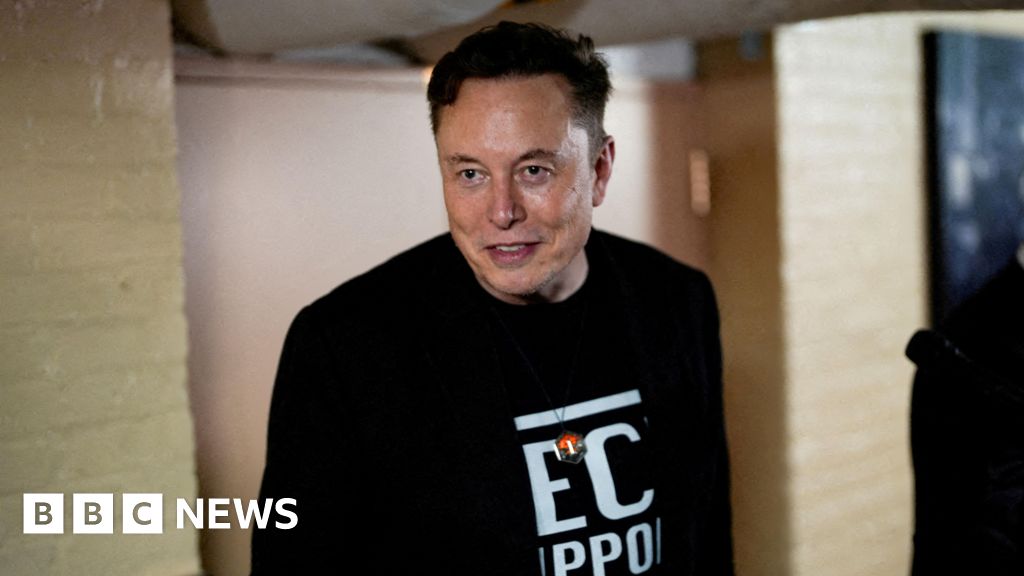
Tech mogul Elon Musk criticized White House advisor Peter Navarro as a “moron” following Navarro’s characterization of Musk’s electric car company, Tesla. Navarro had referred to Tesla as a “car assembler” rather than a manufacturer. Musk, known for his role in the Trump administration and as the CEO of Tesla, expressed his disapproval of Navarro’s comments.
In a recent development, Musk took to Twitter to respond to Navarro’s remarks, publicly rebuking the White House advisor for his statement. The exchange between Musk and Navarro highlighted tensions surrounding the perception and classification of Tesla within the automotive industry.
Navarro’s description of Tesla as a mere “car assembler” rather than a true manufacturer sparked controversy within the electric vehicle sector and drew a sharp response from Musk. The distinction between assembling vehicles and manufacturing them is crucial in the automotive world, with implications for Tesla’s standing and reputation as a leading player in the industry.
As the founder of Tesla and a prominent figure in the tech and automotive sectors, Musk has been vocal about the company’s innovative approach to electric vehicles and its efforts to revolutionize the transportation industry. Tesla’s advancements in electric car technology and its market impact have positioned the company as a key player in the global automotive landscape.
Musk’s criticism of Navarro’s characterization of Tesla underscores the importance of accurate representation and recognition of Tesla’s contributions to the automotive industry. The dispute between Musk and Navarro sheds light on differing perspectives within the government and the private sector regarding Tesla’s role and significance in the market.
The public exchange between Musk and Navarro also raises questions about the relationship between the tech industry, government officials, and regulatory bodies. As electric vehicles continue to gain traction and influence in the automotive market, discussions surrounding their classification and status are becoming increasingly relevant and contentious.
Tesla’s success and innovation in the electric vehicle space have positioned the company as a leader in sustainable transportation and technology. Musk’s proactive stance in defending Tesla’s reputation and status reflects his commitment to advancing the company’s mission and vision in the face of external scrutiny and criticism.
The clash between Musk and Navarro serves as a reminder of the complex dynamics at play in the intersection of technology, business, and government policy. As Tesla continues to make strides in the electric vehicle market and shape the future of transportation, the debate over its identity and role in the industry is likely to persist, with implications for regulatory frameworks and industry perceptions.
Overall, Musk’s response to Navarro’s comments underscores the importance of accurate representation and recognition of Tesla’s contributions to the automotive sector. The incident highlights the challenges and tensions that arise in discussions about Tesla’s position in the market and the broader implications for the electric vehicle industry as a whole.



 Silicon valley business review