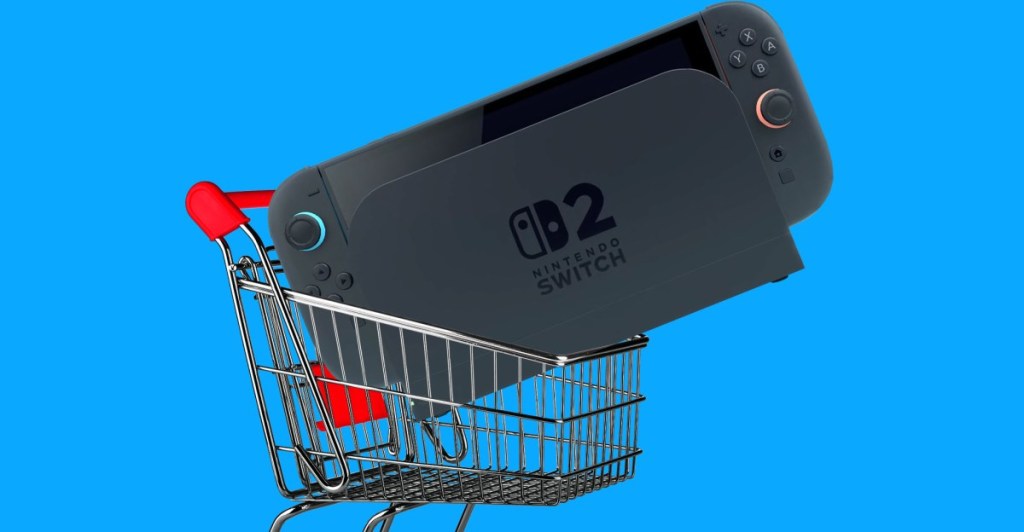
Nintendo’s decision to price the upcoming Switch 2 at $450 may raise eyebrows among consumers, but there are several factors contributing to this seemingly high price point. The strong dollar, weak yen, years of inflation, and lack of significant competition have all played a role in Nintendo’s pricing strategy.
The announcement of the $450 price tag for the Switch 2 has sparked discussions among gaming enthusiasts and industry analysts. While some may question the rationale behind this pricing, a deeper look into the economic landscape sheds light on Nintendo’s decision-making process.
In recent years, the exchange rates between the dollar and the yen have fluctuated, with the yen weakening against the dollar. This shift in currency values has implications for Nintendo, a Japanese company that operates in a global market. The relative strength of the dollar has influenced the pricing of the Switch 2, making it more expensive for consumers in certain regions.
Furthermore, inflation has been a persistent economic factor that impacts pricing across industries. Over the years, the cost of production and distribution has increased, leading companies like Nintendo to adjust their pricing strategies accordingly. In this context, the $450 price point for the Switch 2 reflects not only the product’s features and technology but also the economic realities of the market.
Another key aspect to consider is the competitive landscape within the gaming industry. Unlike its competitors, Nintendo has carved out a unique position with its innovative gaming consoles and beloved franchises. The company’s loyal fan base and strong brand identity give it a certain level of pricing power that allows it to set premium prices for its products.
While some consumers may balk at the $450 price tag for the Switch 2, Nintendo’s ability to command such a price is a testament to its market position and the value it offers to gamers. The company’s track record of delivering quality gaming experiences and pushing the boundaries of creativity has earned it a dedicated following that is willing to invest in its products.
In conclusion, the pricing of the Switch 2 at $450 may seem steep at first glance, but a closer examination reveals the economic and competitive dynamics at play. Nintendo’s strategic pricing decisions reflect a combination of factors, including currency fluctuations, inflation, and market positioning. Ultimately, the value proposition of the Switch 2 and Nintendo’s unique position in the gaming industry justify the premium price tag attached to the highly anticipated console.




 Silicon valley business review