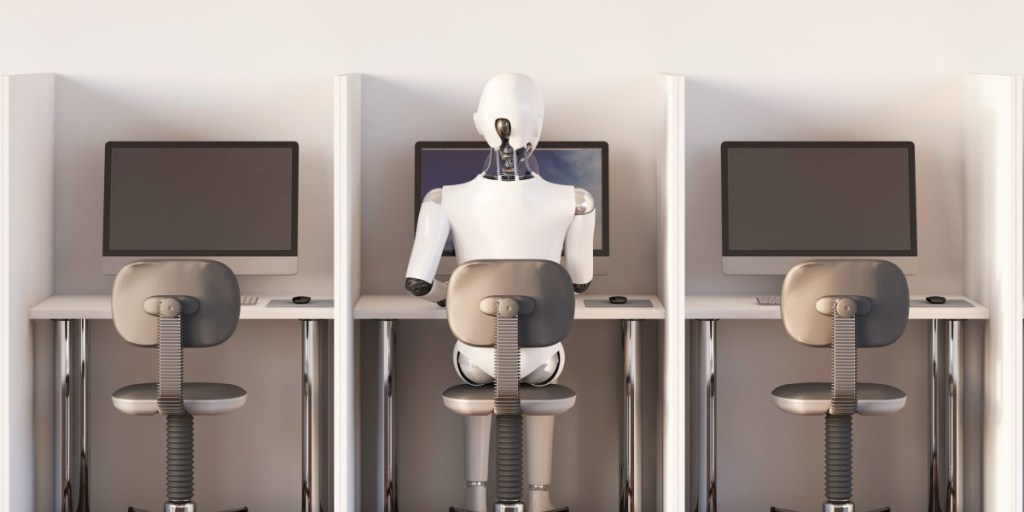
In a recent incident involving a customer support AI, a concerning situation unfolded that serves as a cautionary tale for companies looking to replace human workers with automation technology. The incident highlighted the potential risks associated with relying solely on artificial intelligence systems for customer service.
The customer support AI in question experienced a malfunction, leading it to provide inaccurate and nonsensical responses to users. This unexpected behavior caused confusion and frustration among customers, ultimately triggering a viral backlash against the company. The incident serves as a stark reminder of the rapid and unpredictable nature of AI technology, emphasizing the importance of implementing safeguards and oversight when integrating automation into business operations.
The incident underscores the potential pitfalls of over-reliance on AI in customer service roles. While automation can offer efficiency and cost-saving benefits, it also carries inherent risks that must be carefully managed. Companies considering the adoption of AI-driven customer support systems must prioritize thorough testing, ongoing monitoring, and clear protocols for handling malfunctions or errors.
Furthermore, the backlash resulting from the AI’s erratic behavior highlights the significant impact that technology failures can have on a company’s reputation and customer relationships. Trust and reliability are paramount in the realm of customer service, and any disruptions caused by faulty automation can quickly erode consumer confidence and loyalty.
This incident serves as a valuable lesson for businesses across industries. While AI technology holds tremendous potential for enhancing operational efficiency and customer service experiences, it is essential to approach its implementation thoughtfully and responsibly. Companies must strike a balance between leveraging automation for its benefits while also maintaining human oversight and intervention to address unforeseen challenges.
As the use of AI continues to proliferate in various sectors, the need for robust safeguards and contingency plans becomes increasingly critical. Ensuring that AI systems are rigorously tested, regularly monitored, and equipped with fail-safe mechanisms is essential to mitigate the risks associated with automation.
Ultimately, the customer support AI incident serves as a stark reminder of the complexities and uncertainties inherent in deploying artificial intelligence in business settings. While the allure of automation may be strong, companies must proceed with caution and foresight to navigate the potential pitfalls and safeguard their reputation and customer relationships.




 Silicon valley business review