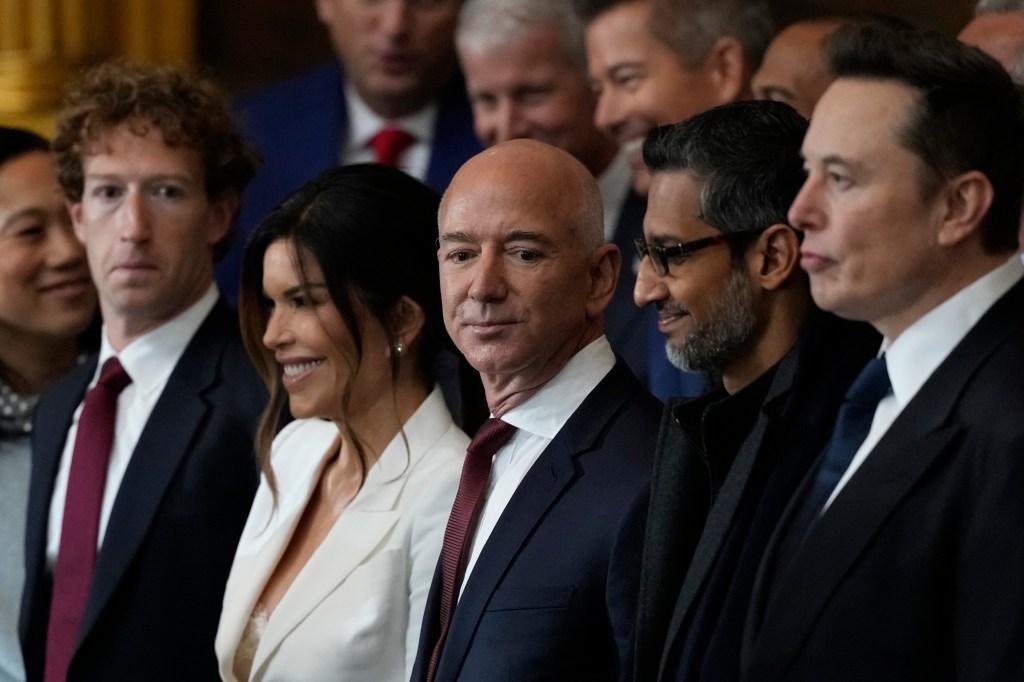
In a recent development amidst the escalating trade tensions between President Donald Trump and Amazon, the online retail giant has decided not to display tariff costs next to its products. This decision comes after a report by Punchbowl News suggested that Amazon was planning to disclose the impact of Trump’s tariffs on its prices.
According to a spokesperson from Amazon, the company has opted not to move forward with the plan to show the tariff-related costs on its products. This decision follows a call between President Trump and Amazon’s CEO, Jeff Bezos, as reported by CNN.
The situation underscores the ongoing trade dispute between the Trump administration and Amazon, with tensions running high over what some have described as a “hostile and political” tariff battle. The decision by Amazon not to display tariff costs is seen as a strategic move amid the turbulent trade environment.
The initial report by Punchbowl News had suggested that Amazon was gearing up to provide transparency to consumers by revealing the impact of tariffs on its product prices. However, the subsequent decision to refrain from doing so indicates a shift in strategy by the e-commerce giant.
President Trump has been a vocal critic of Amazon and its founder, Jeff Bezos, often accusing the company of unfair business practices and tax avoidance. The phone call between Trump and Bezos is seen as a significant development in the ongoing feud between the two parties.
The decision not to display tariff costs could have implications for both Amazon and consumers. While it may shield Amazon from potential backlash or scrutiny over price increases due to tariffs, it also means that customers will not have visibility into how tariffs are affecting the cost of products they purchase.
As the trade dispute continues to unfold, the dynamics between the Trump administration and Amazon remain complex and contentious. The outcome of this latest development could have broader implications for the e-commerce industry and trade relations between the United States and other countries.
Overall, the decision by Amazon to withhold tariff-related information from its product listings reflects the intricate interplay between politics, business, and consumer interests in the current trade environment. The ongoing tensions underscore the challenges faced by companies navigating the complexities of global trade policies and geopolitical dynamics.




 Silicon valley business review