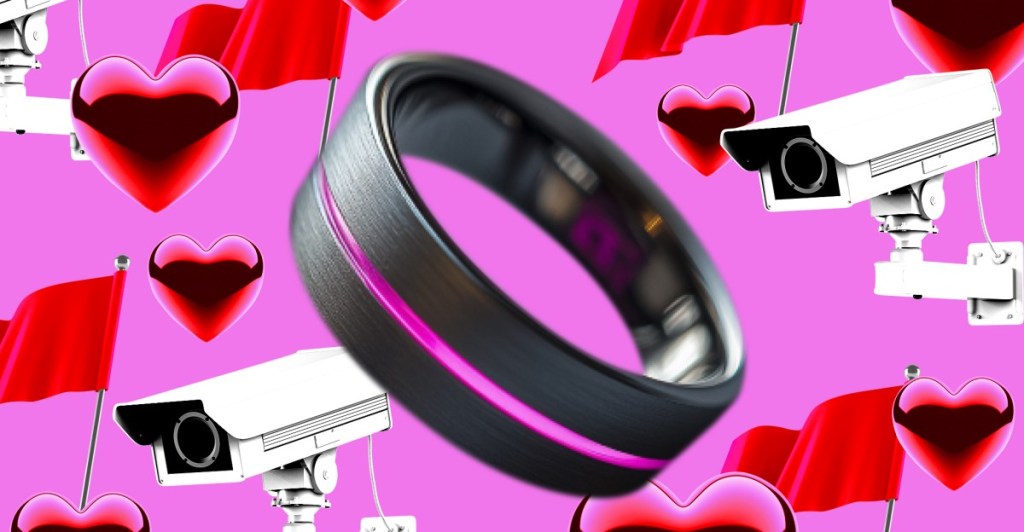
Marina Anderson, the founder of RAW Ring, has introduced a concept smart ring designed to track a partner’s emotions as a means of fostering deeper relationships. The innovative technology behind the ring includes sensors that monitor emotional cues and behaviors, with the ultimate goal of providing reassurance and building trust within relationships.
The RAW Ring aims to address concerns related to infidelity by offering a tool that can potentially prevent cheating through continuous emotional surveillance. The ring’s capabilities to detect changes in a partner’s emotional state could serve as a deterrent to dishonest behavior, as individuals may think twice before engaging in actions that could be detected by the device.
While the concept of a smart ring that monitors emotions may sound appealing to some, it also raises significant ethical and privacy concerns. The idea of constant emotional surveillance within a relationship brings to light the potential for a dystopian scenario where personal boundaries are blurred, and individual autonomy is compromised.
Critics of the RAW Ring argue that the technology could lead to a lack of trust and transparency within relationships, as partners may become overly reliant on a device to gauge each other’s feelings instead of engaging in open communication. The pressure to constantly monitor and interpret emotional data could create a sense of anxiety and mistrust, ultimately undermining the very foundation of a healthy relationship.
On the other hand, proponents of the smart ring suggest that the device could serve as a valuable tool for couples seeking to improve their emotional connection and address potential issues before they escalate. By providing real-time feedback on emotional states, the RAW Ring could facilitate more meaningful conversations and foster greater understanding between partners.
The debate surrounding the RAW Ring reflects larger societal discussions about the intersection of technology, privacy, and relationships. As advancements in wearable technology continue to blur the lines between the digital and physical worlds, the need to establish clear boundaries and ethical guidelines becomes increasingly important.
Ultimately, the decision of whether to wear a smart ring that monitors emotions is a personal one that each individual must consider carefully. While the idea of using technology to enhance relationships is intriguing, it is essential to weigh the potential benefits against the risks of invasive surveillance and the erosion of trust.
As Marina Anderson introduces the RAW Ring to the market, the concept sparks conversations about the role of technology in shaping modern relationships and prompts individuals to reflect on the importance of open communication, trust, and respect in maintaining healthy connections with others.


 Silicon valley business review