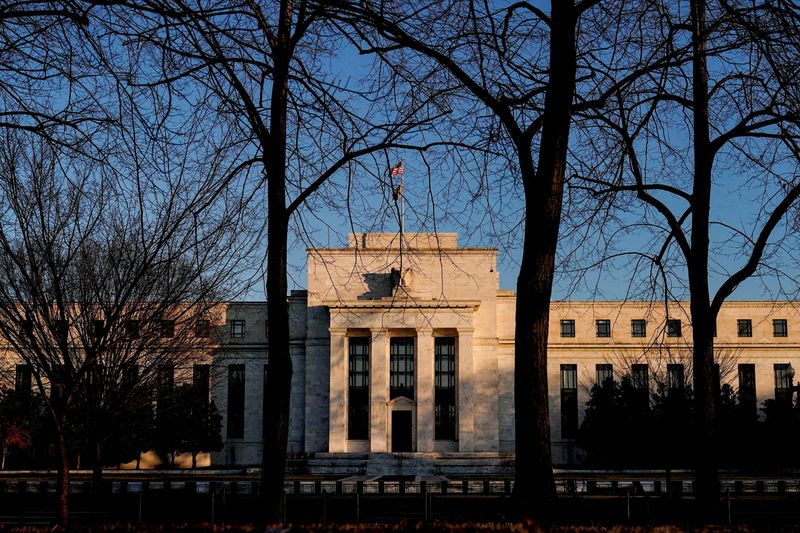
Federal Reserve policymakers are closely monitoring the labor market for any signs of weakness amid uncertainties stemming from President Donald Trump’s trade policies. Despite concerns, the latest data suggests that the job market remains stable, providing little reason for the Fed to rush into cutting interest rates.
According to Reuters, the Federal Reserve is staying vigilant for any potential challenges that may arise as businesses navigate the unpredictable trade environment created by President Trump. The central bank has been cautious in its approach, aiming to strike a balance between supporting economic growth and maintaining stable employment conditions.
Recent developments have provided some level of comfort to policymakers, indicating that the labor market remains resilient despite external pressures. While concerns persist over the impact of trade tensions on businesses and employment, current data does not suggest an urgent need for the Fed to implement rate cuts.
The Federal Reserve’s focus on monitoring labor market conditions reflects its commitment to making informed decisions that support the overall health of the economy. By staying attuned to potential risks and developments, the central bank aims to navigate economic challenges effectively and sustain growth momentum.
As the trade landscape continues to evolve, the Federal Reserve’s stance on interest rates will be influenced by a range of factors, including job market performance and broader economic indicators. While uncertainties loom over the horizon, the central bank’s cautious approach underscores its commitment to maintaining stability and fostering economic resilience.
In conclusion, the Federal Reserve’s assessment of the labor market highlights the importance of a balanced and data-driven approach to monetary policy. While challenges persist, the current stability in job market conditions provides a degree of reassurance to policymakers, signaling a measured response to evolving economic dynamics in the face of trade uncertainties.



 Silicon valley business review